CONDITION 14: A Habitat Management and Monitoring Plan (HMMP) for a minimum 30-year timeframe shall be submitted to, and be approved in writing by, the local planning authority prior to the commencement of the development. The content of the HMMP shall include the following: a) Description and evaluation of features to be managed. b) Ecological trends and constraints on site that might influence management. c) Aims and objectives of management. d) Appropriate management options for achieving aims and objectives. e) Prescriptions for management actions. f) Preparation of a 30-year work schedule (including annual work plan capable of rolling forward over a five-year period). g) Details of the body or organisation responsible for implantation of the plan. h) Ongoing monitoring and remedial measures. i) The completed statutory metric applied to the application site to demonstrate that a biodiversity net gain will be achieved. j) Locations and numbers of bat and bird boxes, reptile, and amphibian refugia, invertebrate boxes k) Details of the legal and funding mechanism(s) by which long-term implementation of the plan will be secured by the developer with the management body(ies) responsible for its delivery. The plan shall also set out (where results from monitoring show that conservation aims and objectives of the HMMP are not being met) how contingencies and/or remedial action will be identified, agreed, and implemented so that the development still delivers the fully functioning biodiversity objectives of the originally approved scheme. The approved plan will be implemented in accordance with the approved details for the minimum 30-year timeframe. REASON: To ensure a mandatory Biodiversity Net Gain in accordance with the Environment Act, the NPPF
Understand planning application documents, officer reports and decision notices. Use a reading checklist, document table and worked example to inspect a case.
Understand pending consideration, approved, refused and withdrawn planning applications. Compare status labels and find the documents explaining each outcome.
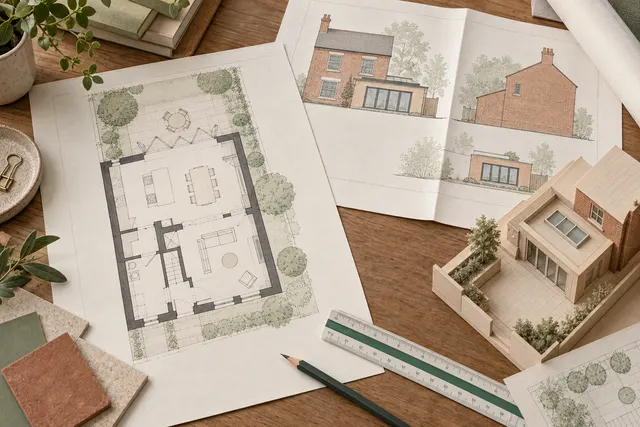
Read planning drawings, floor plans, elevations and sections. Use labelled diagrams, a drawing comparison table and revision checks to understand a proposal.
 PlanningTrack