Under the Wildlife and Countryside Act 1981 it is an offence to damage, destroy or obstruct access to any structure or place that bats, dormice or any other animal listed in Schedule 5 of the Act use for shelter or protection. If there is any suggestion that the site is being occupied by any of the species, you are advised to consult Natural Resources Wales on Telephone: 0300 065 3000 or email: enquiries@naturalresourceswales.gov.uk, before proceeding with the development hereby authorised.
The Wildlife and Countryside Act 1981 makes it a criminal offence to damage or destroy the nest of any wild bird whilst that nest is in use or being built. Established working practice avoids works to any hedgerow, tree or other vegetation where birds may reasonably be expected to make their nest between 1 March and 31 August in any year. Care should also be taken outside of this exclusion period as variations in climate may extend the nesting season.
Under the provisions of the Badgers Act 1991 it is an offence to interfere with any badger sett. This includes the damaging, destruction or obstruction of any entrance. If you encounter any badger setts during the removal you are advised to consult Natural Resources Wales on Telephone: 0300 065 3000 or email: enquiries@naturalresourceswales.gov.uk, before proceeding with the development hereby authorised.
This consent is granted on the basis of the applicant's undertaking to reinstate the hedgerow to a new alignment rotated 90 degrees to the west as shown in the Notification documents, and to the specification as agreed with the Councils Landscape Officer in the email exchange of 26th February 2026.
Related records
No related records were published in this section.
Understand planning application documents, officer reports and decision notices. Use a reading checklist, document table and worked example to inspect a case.
Understand pending consideration, approved, refused and withdrawn planning applications. Compare status labels and find the documents explaining each outcome.
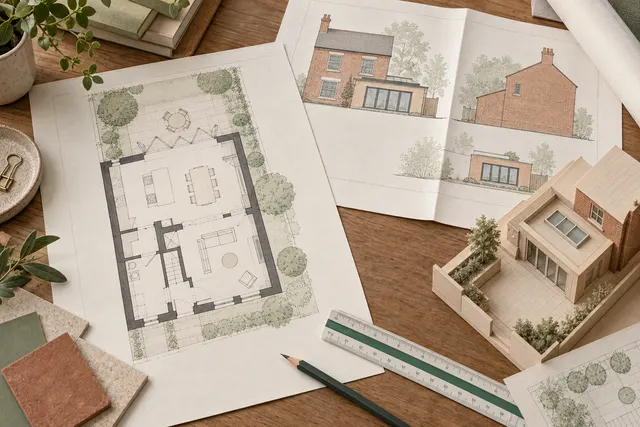
Read planning drawings, floor plans, elevations and sections. Use labelled diagrams, a drawing comparison table and revision checks to understand a proposal.
 PlanningTrack