Understanding planning · 13 min read
Planning application documents: what to read first
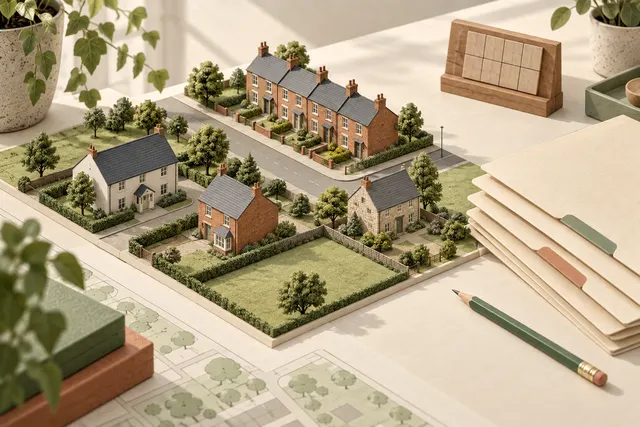
Understand planning application documents, officer reports and decision notices. Use a reading checklist, document table and worked example to inspect a case.
 PlanningTrack
ApprovedCouncil status: Decided
Address not published
Last published check: 21 Nov 2026, 01:49. Check the council record for more recent changes.
Last published check: 21 Nov 2026, 01:49 (UK)
Dates come from the council record. A target date passing does not confirm a decision.
Lime (T1) - old twin stemmed coppice Lime to reduce overgrown epicormic regrowth to ground level or suitable growth point so as to no damaged main trunks all around the base. Girdle the ivy with the premise to remove in six months time to a year so as to not damage. Remove all and any hangers or dead and dangerous branches within the two stems of the main canopy of the old coppiced limes, to raise the overhang road side to up to 5m.Lime (T2, T3 and T4) - girdle the ivy and raise the overhang up to 5m.Elder (T5) - lightly thin up to 20% and deadwood so as to reduce the Aphid infestation the occupant has had on going and to clean up previous cut to BS3998.Beech (T6) and False Acacia (T7) - deadwood and clear out hangers overhanging the car park and road up to 5m.
Sign in to view all collected council fields and recorded changes.
Sign in to view collected detailsDocuments open on the council website. Browse council documents if a link has changed.
Conditions aren’t listed here. Read the council decision notice for the full decision and conditions.
Understanding planning · 13 min read
Understand planning application documents, officer reports and decision notices. Use a reading checklist, document table and worked example to inspect a case.
Understanding planning · 13 min read
Understand pending consideration, approved, refused and withdrawn planning applications. Compare status labels and find the documents explaining each outcome.
Understanding planning · 13 min read
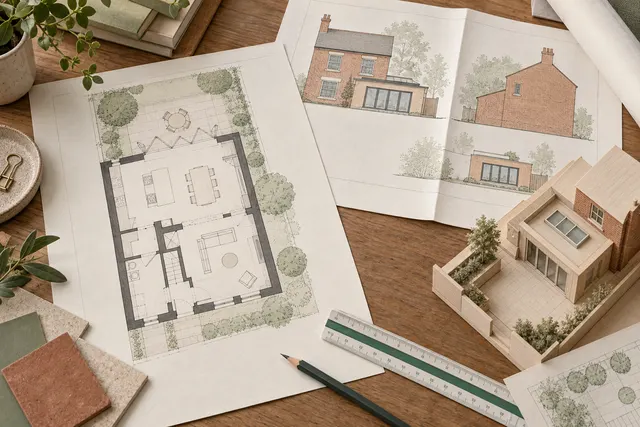
Read planning drawings, floor plans, elevations and sections. Use labelled diagrams, a drawing comparison table and revision checks to understand a proposal.