(1) The tree works hereby consented shall be completed within 2 years of the date of this permission and shall be carried out in accordance with the approved details and to British Standard for Tree Work BS3998:2010. Reason: To preserve the special amenity value of the tree.
() Works to be completed within 2 years and carried out to BS3998:2010
(2) The tree surgery contractor (or other person) carrying out the work shall contact the Tree Officer and give at least 10 days notice prior to starting this approved work. It may also be necessary to arrange a pre-commencement site meeting with the Tree Officer on site if so required. Reason: To ensure that the contractor or person carrying out the work clearly understands the requirements and detail contained within this consent. Note to applicant: Deadwood may be removed without the requirement for council consent. Note to applicant: The small Sweet Chestnut, listed as unknown tree on the application, does not appear to be currently protected under this Tree Preservation Order. Note to applicant: The landowners consent must be obtained to enter his land.
Note to Applicant: It is considered that, subject to compliance with the conditions attached to this permission, the proposed tree work is acceptable because it will not materially harm the character of the area, the amenity of neighbours or highway safety, and is in accordance with the policies and proposals of the development plan and after due regard to all other relevant material considerations the local planning authority is of the opinion that permission should be granted. Note to applicant: All works hereby consented should be carried out by a suitably qualified tree surgeon. A copy of the decision notice should be given to the Tree Surgeon.
Related records
No related records were published in this section.
Understand planning application documents, officer reports and decision notices. Use a reading checklist, document table and worked example to inspect a case.
Understand pending consideration, approved, refused and withdrawn planning applications. Compare status labels and find the documents explaining each outcome.
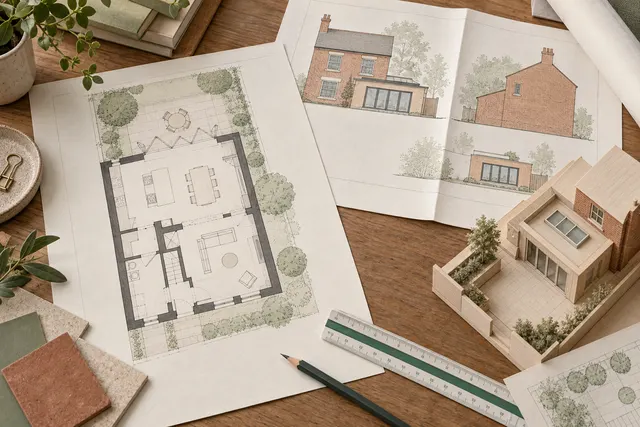
Read planning drawings, floor plans, elevations and sections. Use labelled diagrams, a drawing comparison table and revision checks to understand a proposal.
 PlanningTrack